
Self Exclusion Complete Guide
Self-exclusion is one of the most effective responsible gaming tools available for individuals who believe their gambling habits may be becoming difficult to manage. It allows a person to voluntarily restrict their access to gambling services for a chosen period, helping them step away from gambling activities and focus on their personal well-being.
Whether someone wants a short cooling-off period or a longer break, self-exclusion provides time to regain control, reduce financial pressure, and prioritize family, work, education, and health.
This guide explains how self exclusion works, who may benefit from it, and why it plays an important role in responsible gambling practices.
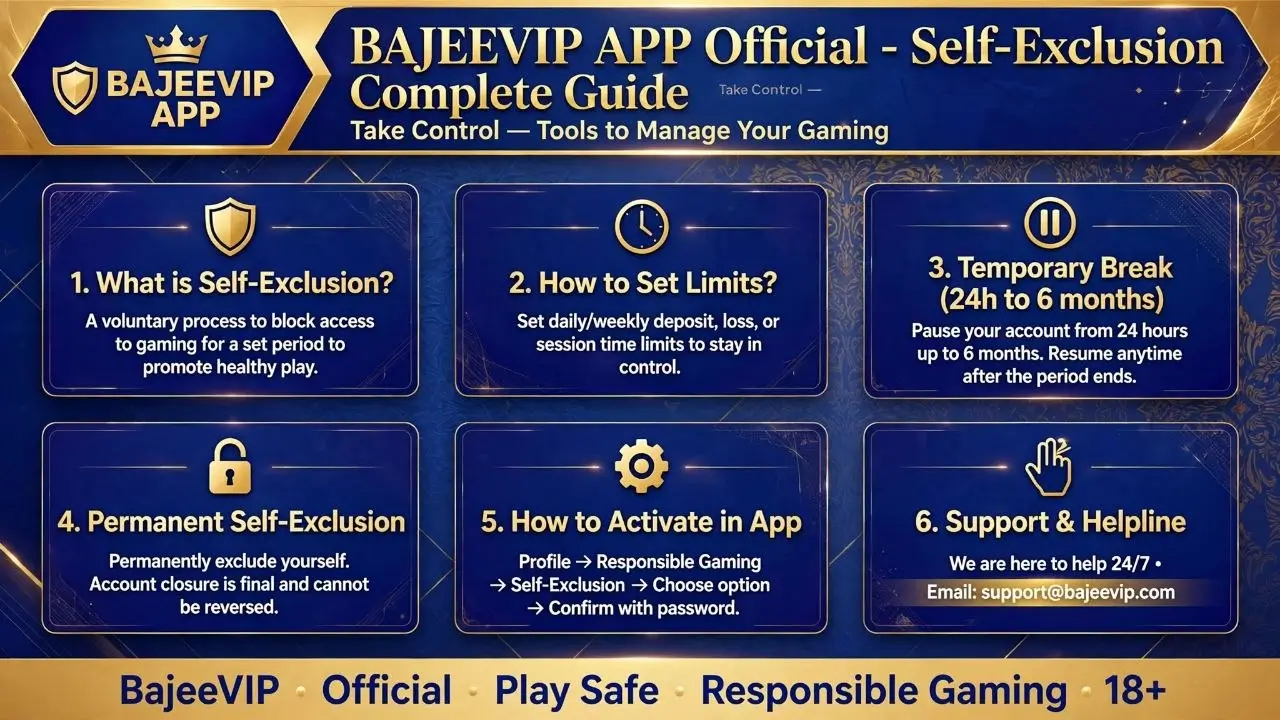
What Is Self-Exclusion?
Self-exclusion is a voluntary agreement that prevents an individual from accessing gambling services for a specified period.
Unlike simply deciding to stop gambling, self exclusion introduces practical restrictions that reduce opportunities to gamble impulsively.
The purpose is to help people:
- Take a meaningful break from gambling.
- Reduce impulsive decisions.
- Improve financial management.
- Protect personal relationships.
- Focus on physical and mental well-being.
- Encourage healthier habits.
Self exclusion is widely recognized as an important harm-reduction measure in responsible gambling programs.
Why Is Self Exclusion Important?
Many people enjoy gambling as a form of entertainment. However, for some individuals, gambling can become difficult to control.
Self-exclusion offers an opportunity to pause before gambling causes serious consequences.
Potential benefits include:
- Reducing financial losses.
- Lowering stress and anxiety.
- Improving family relationships.
- Creating healthier daily routines.
- Supporting recovery from gambling-related harm.
- Providing time to seek professional support if needed.
Taking a break should be viewed as a positive and responsible decision.
Who Should Consider Self Exclusion?
Self-exclusion may be appropriate for anyone who notices that gambling is beginning to affect important areas of life.
Possible warning signs include:
- Spending more money than planned.
- Gambling for longer than intended.
- Borrowing money to gamble.
- Trying to recover previous losses.
- Feeling anxious or guilty after gambling.
- Hiding gambling from family or friends.
- Neglecting work, school, or personal responsibilities.
- Frequently thinking about gambling.
Recognizing these signs early can help prevent more serious problems.
Types of Self Exclusion
Different programs may offer different exclusion periods.
Short-Term Breaks
Short-term self-exclusion can last from a few days to several months.
These breaks allow individuals to:
- Reduce impulsive gambling.
- Regain perspective.
- Focus on other priorities.
- Develop healthier routines.
Long-Term Self Exclusion
Longer exclusion periods may last several months or years.
These options may be appropriate for individuals experiencing persistent gambling-related difficulties.
Permanent Self Exclusion
Some programs allow individuals to request permanent exclusion.
This option is generally intended for people who believe gambling is causing ongoing harm and wish to permanently remove access.
What Happens During Self Exclusion?
Although procedures differ between jurisdictions and operators, self-exclusion commonly involves restrictions such as:
- Access to gambling accounts being suspended.
- Inability to place bets or participate in gambling activities.
- Temporary restriction from promotional communications where applicable.
- Continued access to customer support for account-related questions.
The exact conditions depend on the organization administering the self-exclusion program.
Benefits of Taking a Break
Choosing self-exclusion can provide an opportunity to focus on other aspects of life.
Many individuals use this time to:
- Spend more time with family and friends.
- Improve physical health.
- Reduce stress.
- Develop new hobbies.
- Build healthier financial habits.
- Pursue education or career goals.
- Participate in community activities.
Even a temporary break can support healthier long-term decision-making.
Other Responsible Gambling Tools
Self-exclusion is only one of several responsible gambling measures.
Other tools that may help include:
- Deposit limits.
- Spending limits.
- Session time reminders.
- Cooling-off periods.
- Reality checks.
- Account history reviews.
Using multiple responsible gambling tools together can help individuals better manage their gambling behavior.
Self-Assessment Questions
Before deciding whether self exclusion may be helpful, consider asking yourself:
- Do I often gamble longer than planned?
- Have I spent more money than I intended?
- Have I tried to recover losses by gambling again?
- Has gambling affected my relationships or work?
- Do I feel stressed or guilty after gambling?
Answering “yes” to several of these questions may indicate that taking a break and seeking support could be beneficial.
Common Misconceptions About Self-Exclusion
Many people hesitate to use self-exclusion because of common misunderstandings. Learning the facts can help individuals make informed decisions.
Myth 1: Self-Exclusion Means Failure
Choosing self-exclusion is not a sign of failure. Instead, it demonstrates self-awareness and a willingness to take positive steps to protect your well-being. Recognizing when you need a break is a responsible decision.
Myth 2: Self-Exclusion Is Permanent
Not all self-exclusion programs are permanent. Many offer flexible options, such as short-term cooling-off periods, six-month exclusions, or longer voluntary breaks depending on the program’s policies.
Myth 3: Only People With Severe Gambling Problems Need It
Self exclusion can benefit anyone who wants additional support in managing their gambling habits. It is designed to help prevent problems from becoming more serious.
Building Healthy Habits During Self-Exclusion
The exclusion period provides an opportunity to focus on positive lifestyle changes.
Helpful activities may include:
- Spending more time with family and friends.
- Participating in sports or physical exercise.
- Learning new skills or hobbies.
- Reading books or taking online courses.
- Volunteering in the community.
- Improving personal financial planning.
- Setting personal and professional goals.
- Practicing stress management techniques such as meditation or mindfulness.
Replacing gambling with rewarding activities can support long-term well-being.
Managing Financial Well-Being
Financial management is an important part of responsible gambling.
Consider these practical strategies:
- Create a monthly budget.
- Track your spending.
- Separate essential expenses from entertainment spending.
- Build an emergency savings fund.
- Avoid borrowing money for gambling.
- Seek financial advice if gambling has caused debt.
Healthy financial habits contribute to greater stability and peace of mind.
Talking to Family and Friends
Support from trusted people can make a significant difference.
If you feel comfortable, consider discussing your decision with:
- Family members.
- Close friends.
- A trusted colleague.
- A counselor.
- A healthcare professional.
Open communication can reduce feelings of isolation and encourage accountability during the self-exclusion period.
Seeking Professional Support
If gambling begins affecting your finances, relationships, emotional well-being, or daily responsibilities, professional support may be beneficial.
Helpful sources of support include:
- Licensed mental health professionals.
- Addiction counselors.
- Community support groups.
- National gambling support organizations.
- Healthcare providers.
Seeking assistance early can improve recovery outcomes and help prevent further harm.
Protecting Children and Young People
Responsible gambling also includes preventing underage gambling.
Parents and guardians can help by:
- Keeping gambling accounts private.
- Using strong passwords.
- Supervising internet use.
- Discussing the risks of gambling with young people.
- Using parental controls where appropriate.
Creating a safe online environment helps protect minors from age-inappropriate activities.
Digital Well-Being Tips
Maintaining healthy digital habits can reduce impulsive behavior and improve overall balance.
Consider:
- Limiting screen time.
- Taking regular breaks from devices.
- Turning off unnecessary notifications.
- Following a daily routine.
- Spending time outdoors.
- Engaging in offline hobbies.
Digital wellness supports healthier decision-making beyond gambling.

Frequently Asked Questions
Self-exclusion is a voluntary program that allows individuals to restrict their access to gambling services for a selected period to help manage their gambling behavior.
Anyone who feels their gambling is becoming difficult to control or is affecting their finances, relationships, work, or emotional well-being may benefit from considering self-exclusion.
The duration depends on the specific program. Options may range from a short cooling-off period to several months, years, or, in some cases, permanent exclusion.
Policies vary. Some programs do not allow early cancellation, while others have specific procedures. Always review the terms of the program before enrolling.
Responsible gambling and self-exclusion programs generally handle personal information in accordance with applicable privacy laws and organizational privacy policies.
Use the time to focus on healthy activities, strengthen relationships, improve financial management, and seek professional support if needed.
Yes. Family and friends can provide support by encouraging open conversations and helping individuals access appropriate resources.
Self-exclusion is an important tool, but lasting improvement often comes from combining it with healthy habits, social support, and, where appropriate, professional guidance.
Key Takeaways
Responsible gambling begins with understanding your personal limits and recognizing when it is time to take a break.
Self exclusion can:
- Reduce opportunities for impulsive gambling.
- Encourage healthier financial habits.
- Improve emotional well-being.
- Protect relationships.
- Create time for personal growth.
- Support recovery from gambling-related harm.
Taking proactive steps today can contribute to a healthier and more balanced future.
Conclusion
Self exclusion is one of the most effective responsible gambling measures available to individuals who want to regain control of their gambling behavior. By voluntarily limiting access to gambling services, people can reduce financial risks, improve emotional well-being, and focus on important aspects of life such as family, work, education, and personal health.
Remember that asking for help is a sign of strength, not weakness. Whether through self-exclusion, support from loved ones, or professional assistance, there are resources available to help individuals make informed decisions and build healthier habits.
Responsible gambling is about maintaining balance, staying informed, and recognizing when it is appropriate to step back. By understanding self-exclusion and using it when needed, individuals can better protect their well-being and enjoy a safer, more responsible approach to gambling.